H-1B shock or strategic reset? Bengaluru roundtable reveals India's GCC power shift
Hosted by Research NXT and Bamboo Reports, leaders across marketing, strategy, sales and GCC operations debated how global delivery and decision-making are being rebuilt around India.
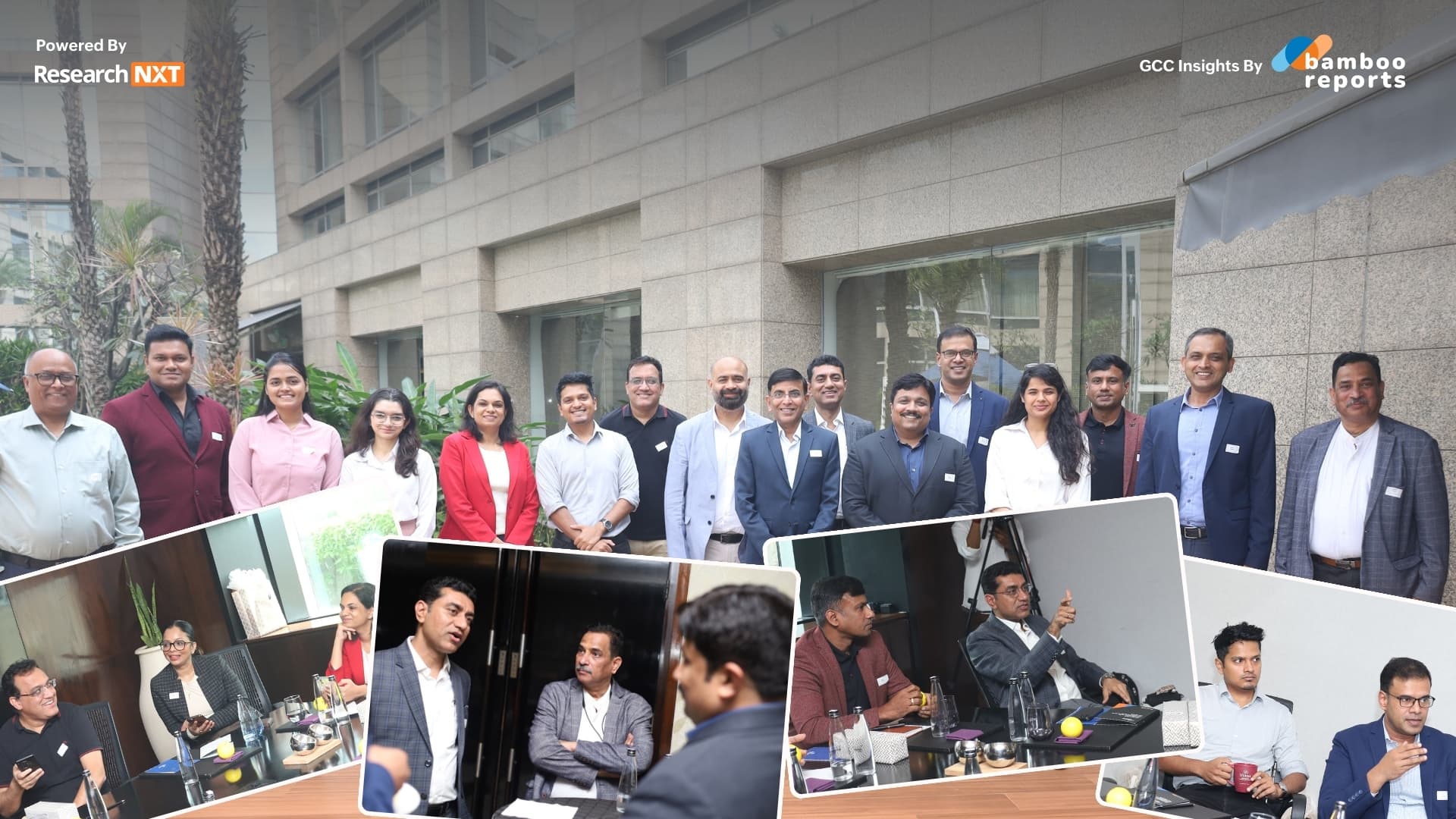
Highlights
- India's advantage is strategic. The H-1B policy shift is less a shock and more a reset. Leaders see India moving from execution to value-creation as global models rebalance.
- GCCs are decision engines. Roles across R&D, customer support, engineering, marketing, and procurement are already being run from India with budget and innovation control.
- Scale beats regional rivals. Vietnam and Southeast Asia are rising, but when enterprises need 10k to 50k people with enterprise-grade consistency, India still wins on depth and scale.
This is not outsourcing shock. It is intelligent insourcing.
Participants agreed the proposed 25% outsourcing tax is already forcing operating model shifts. For many, it is accelerating something bigger: India moving up the value chain from scalable execution to accurate decision-making and value creation. Past models left Indian teams on the periphery; this moment is about owning budgets, innovation, and enterprise-grade delivery in-market.
- India vs Southeast Asia: Vietnam can build strong 5k-member teams, but for 10k to 50k enterprise-grade scale with consistency, India still leads. Capability plus scale remains the differentiator.
- What changes inside GCCs: Decision rights are shifting to India across R&D, engineering, marketing, customer support, and procurement. Leaders are pushing for strategic roles to sit in-market to avoid translation layers.
What leaders are already acting on
- Value creation is catching up with capability; Indian leaders are influencing budgets and procurement directly.
- Internal marketing is mandatory: if HQ does not see the wins, budgets stay limited.
- Talent depth is India's edge, but strategic roles must sit in-market to avoid translation layers.
- Outsourcing tax chatter has already triggered operating model redesigns toward India-led teams.
How GCC teams and vendors should respond
- Design GCC-specific ABM and city-hub strategies for faster leadership buy-in.
- Run internal storytelling campaigns so HQ sees India as a strategy hub, not just delivery.
- Double down on employer brand and ecosystem positioning to lock in senior talent.
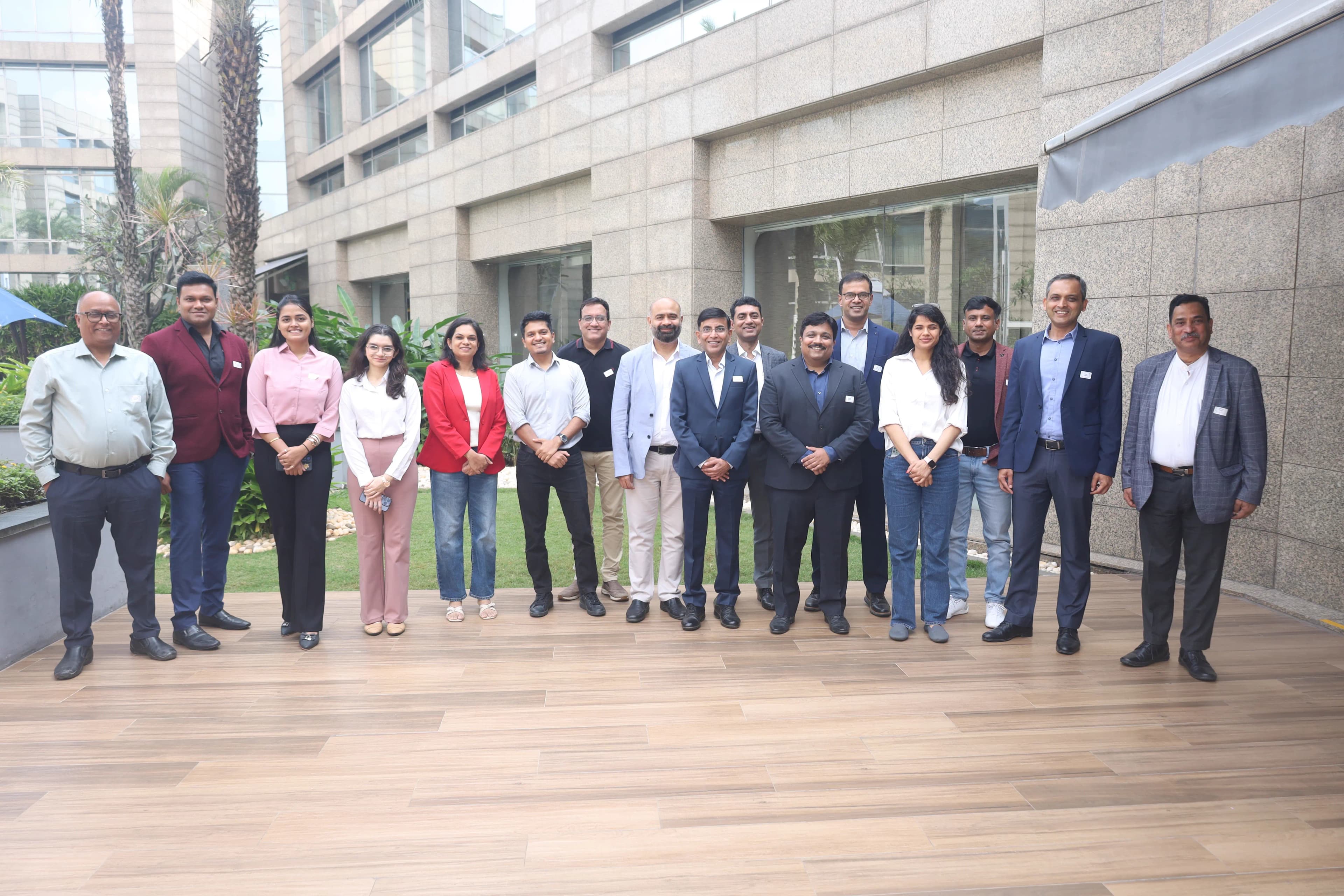
The panel brought together a cross-section of marketing, sales, digital transformation, and GCC leaders who unpacked the shift from outsourcing to intelligent insourcing.
Who spoke
 Anisha ChawlaLead Global EventsAmagi
 Diptarup ChakrabartiFractional CMO
 Glen Mary GeorgeMarketing DirectorBloom Value Corporation
 Kieran ThakkyDirector Marketing GlobalHarman
 Madhav VemuriInpace, formerly ABB
 Pamela KunduSales DirectorCelonis
 Prem KumarVP Sales & Demand GenerationNLB Services
 Randeep SinghHead Captive BusinessYethi Consulting
 Ritesh KapoorVP Marketing & CommsAccenture
 Shivam GuptaGrowth Marketing LeadRoutematics
 Shivendra TripathiAssociate Director Performance MarketingFacilio
 Souvik MukherjeeMarketing & Communications LeadTietoevry India Private Limited
 Tarun DevasiaCMORamco
 Vinod KumarSVP Head Marketing247.ai
 Vivek VeeraraghavanSenior VP Digital Transformation APACNorthern Trust
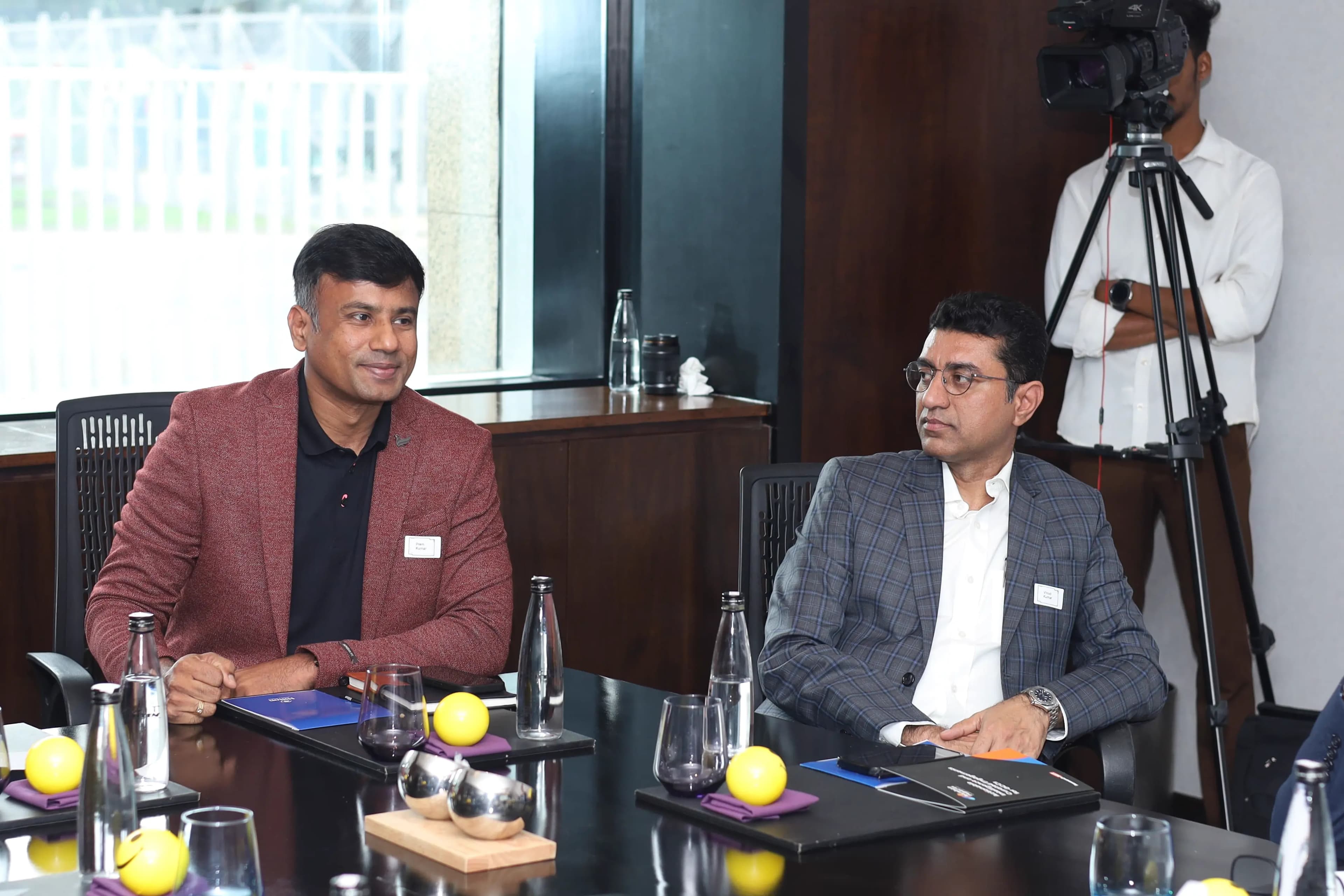
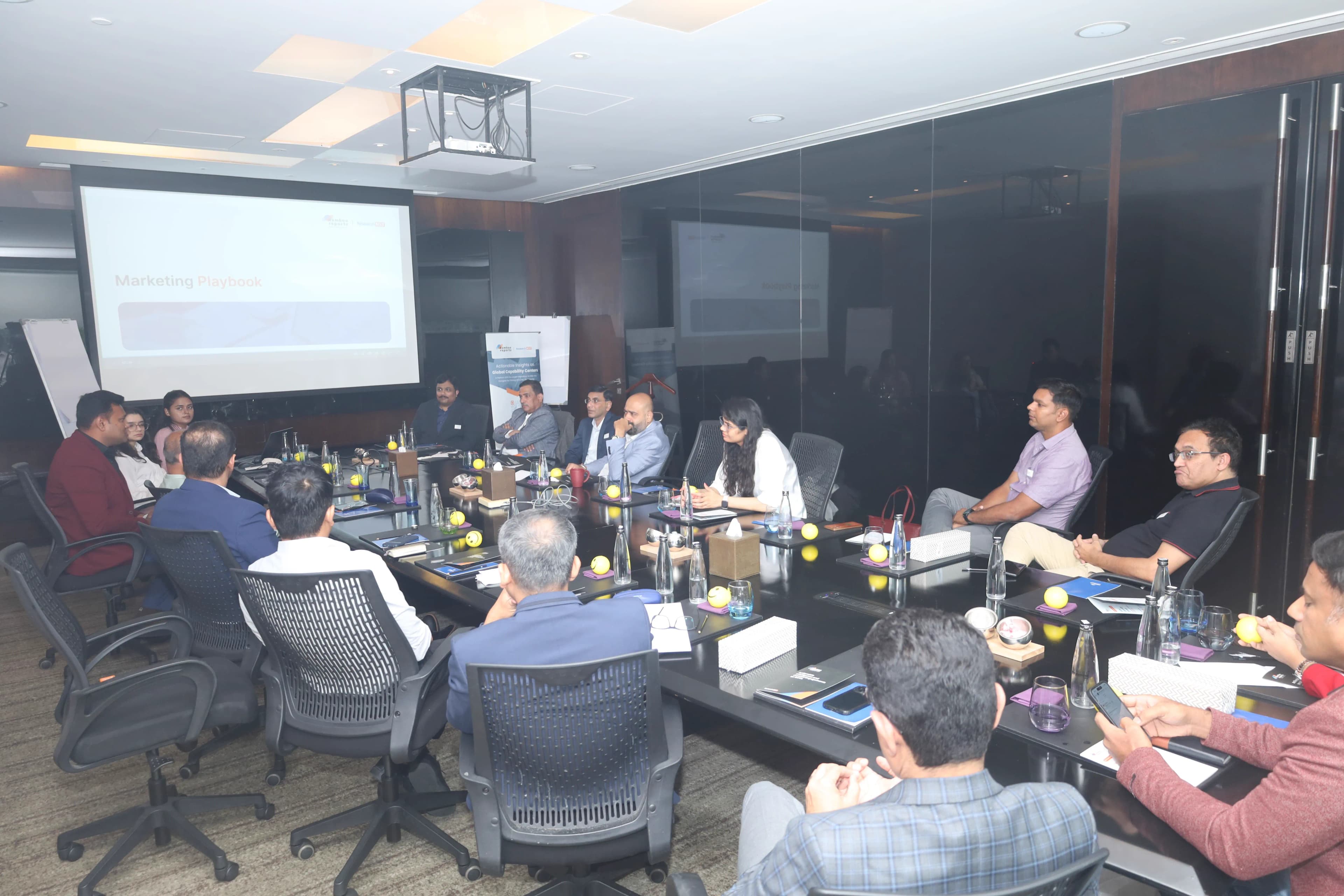
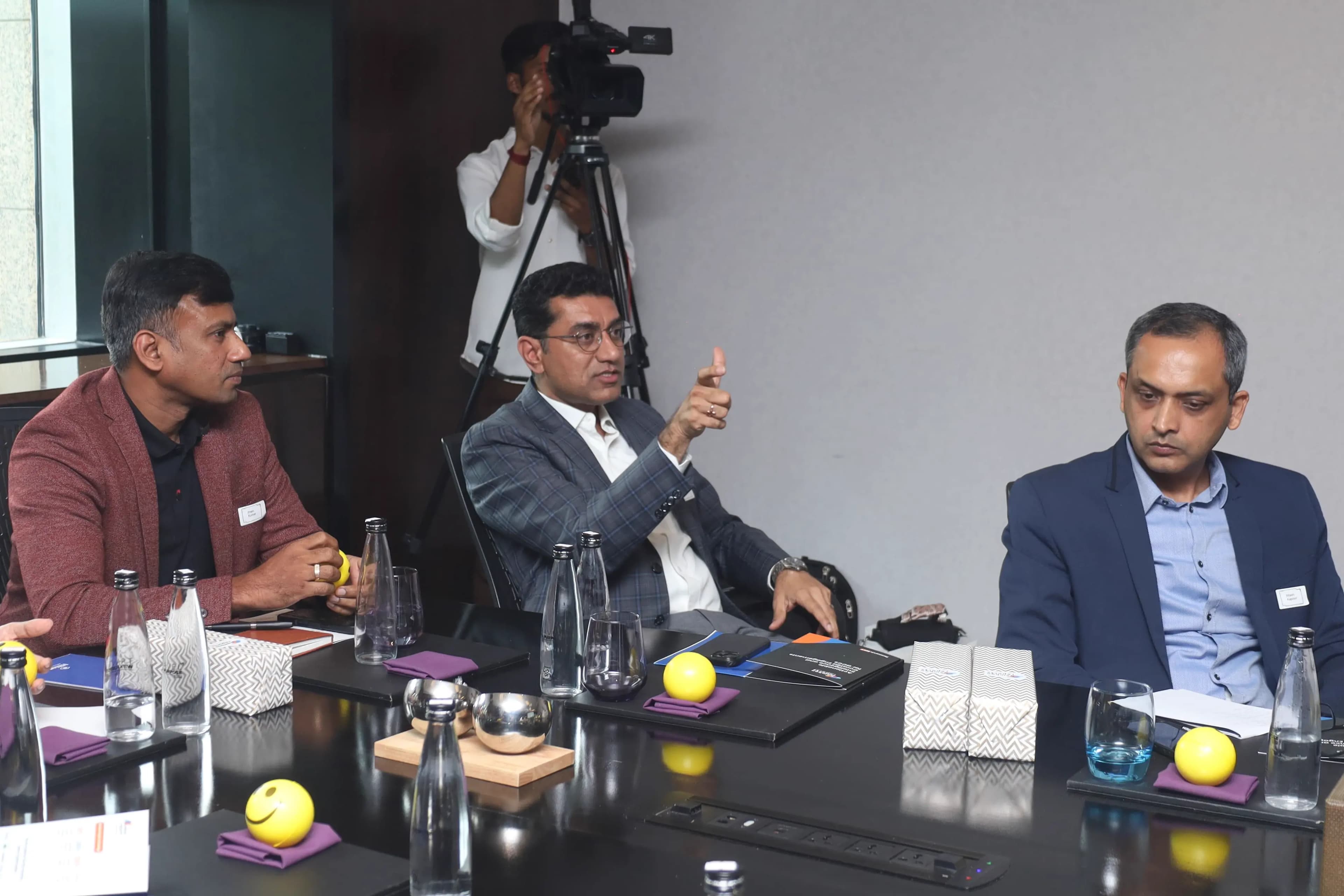
Moments from the Bengaluru roundtable
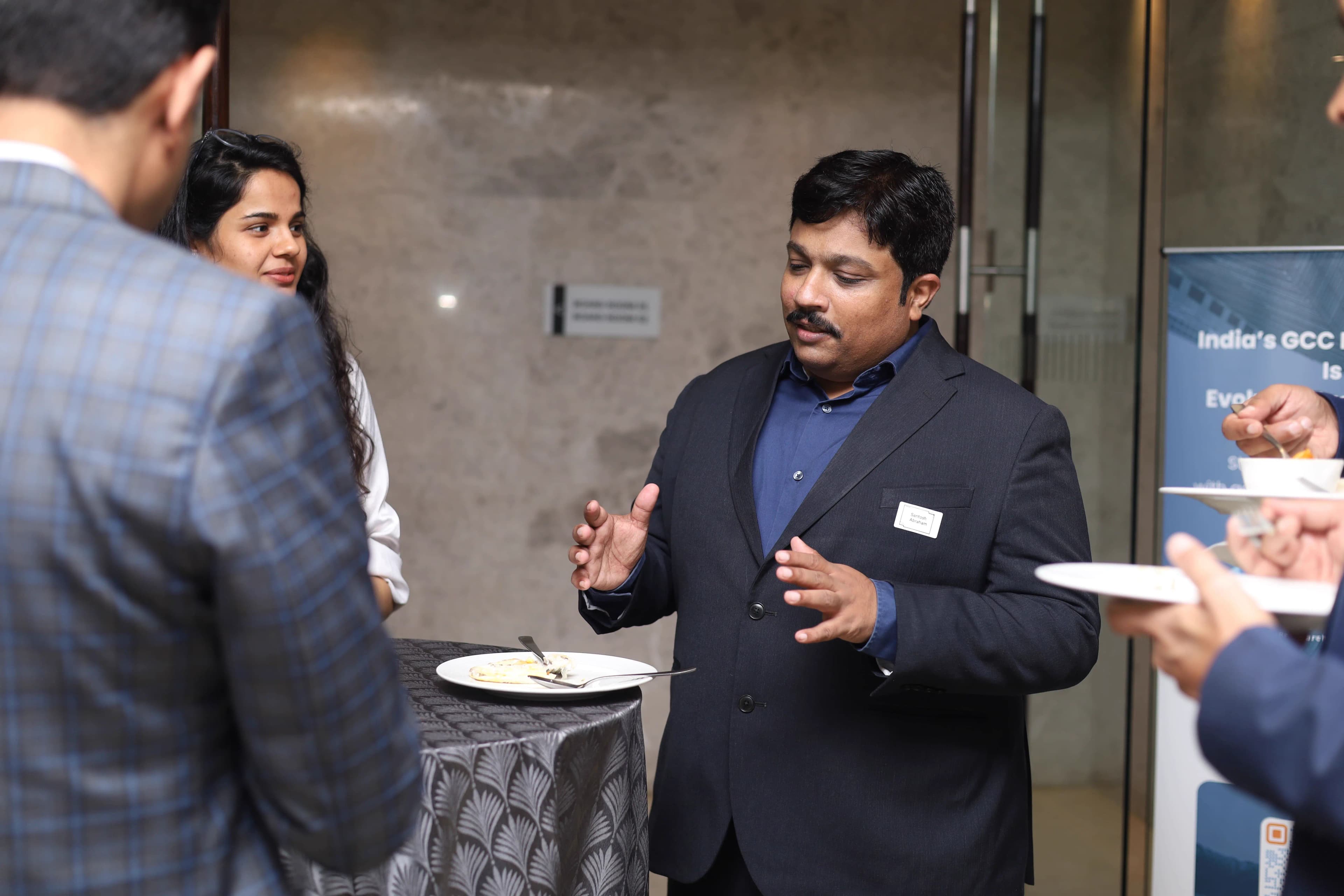
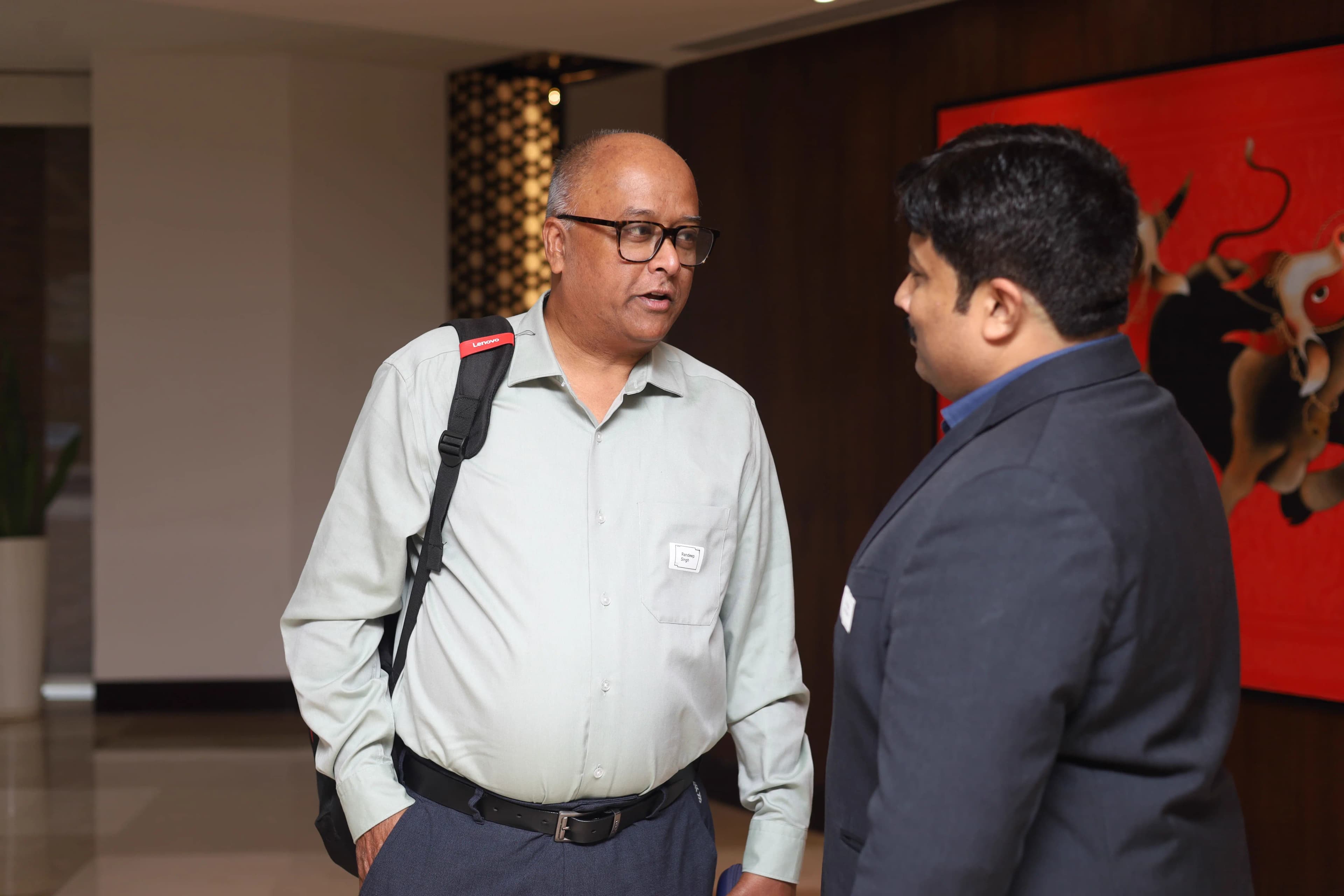
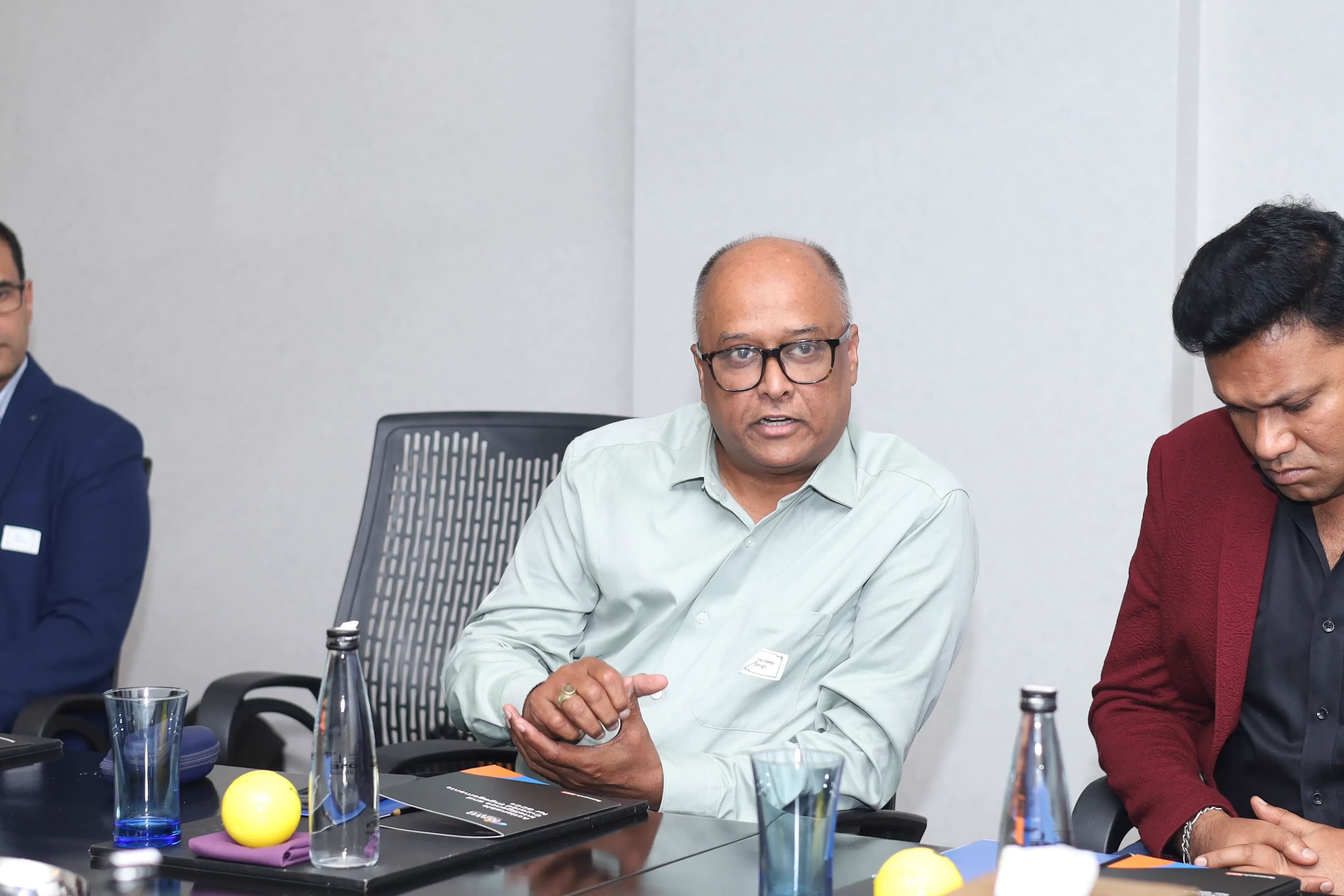

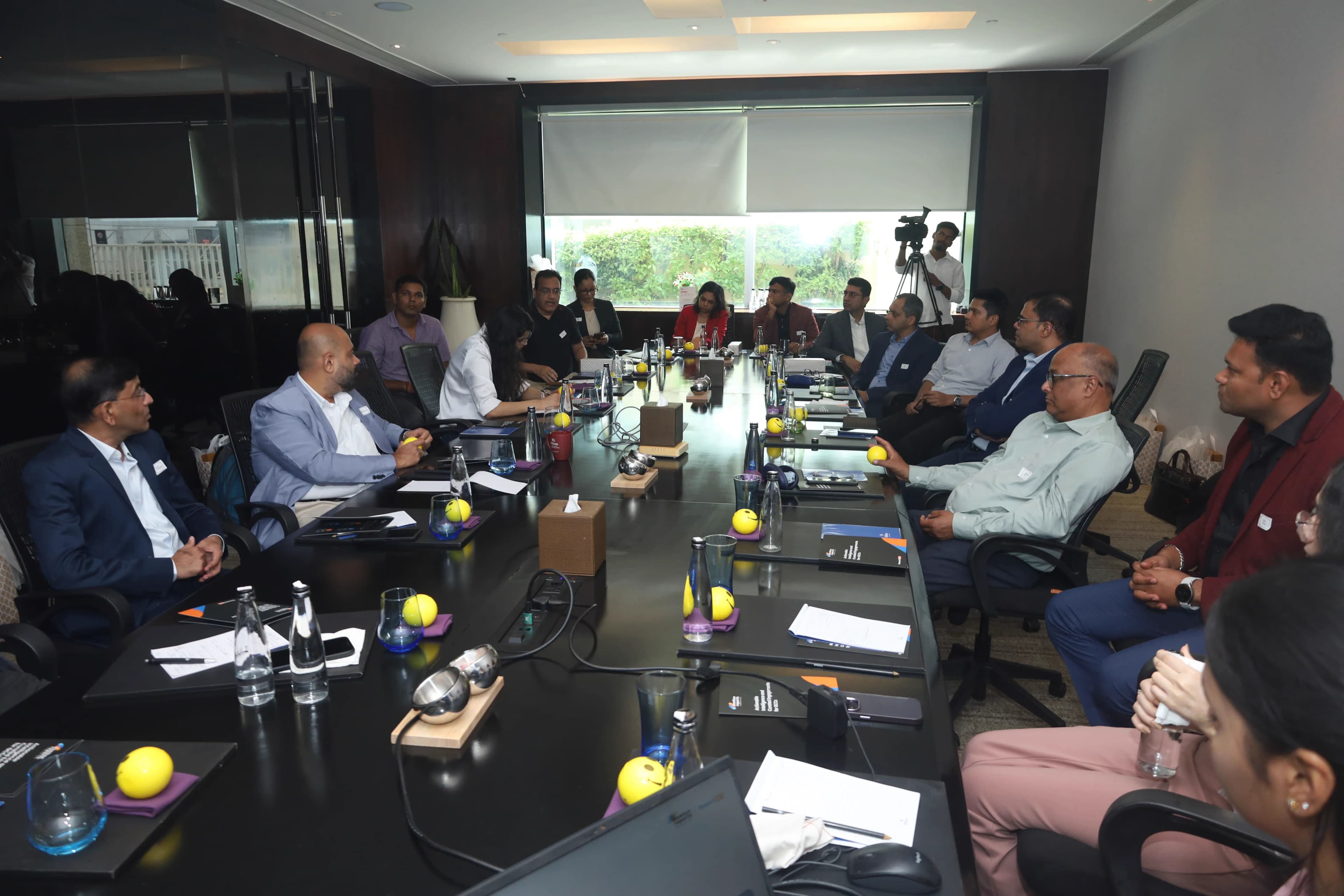
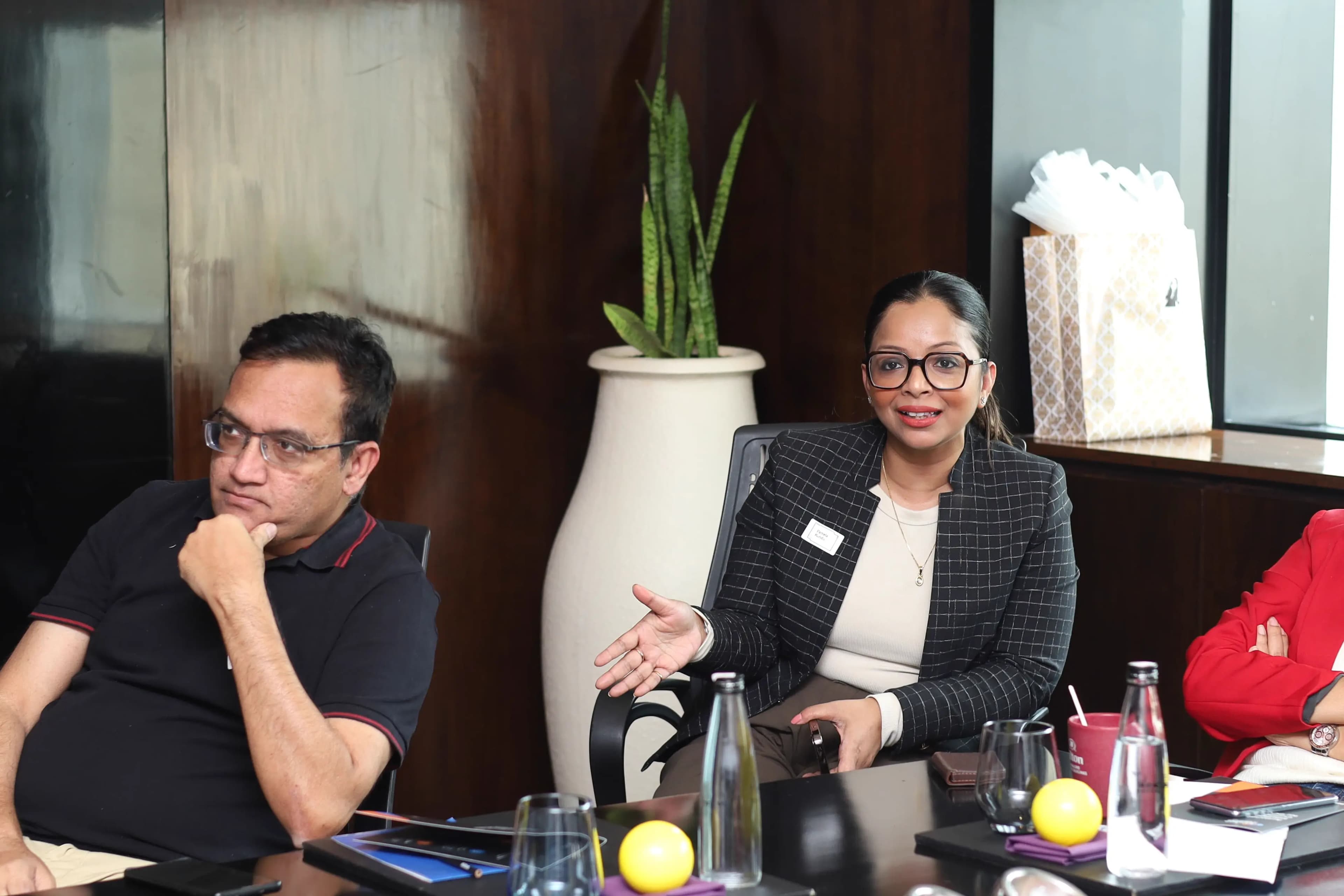
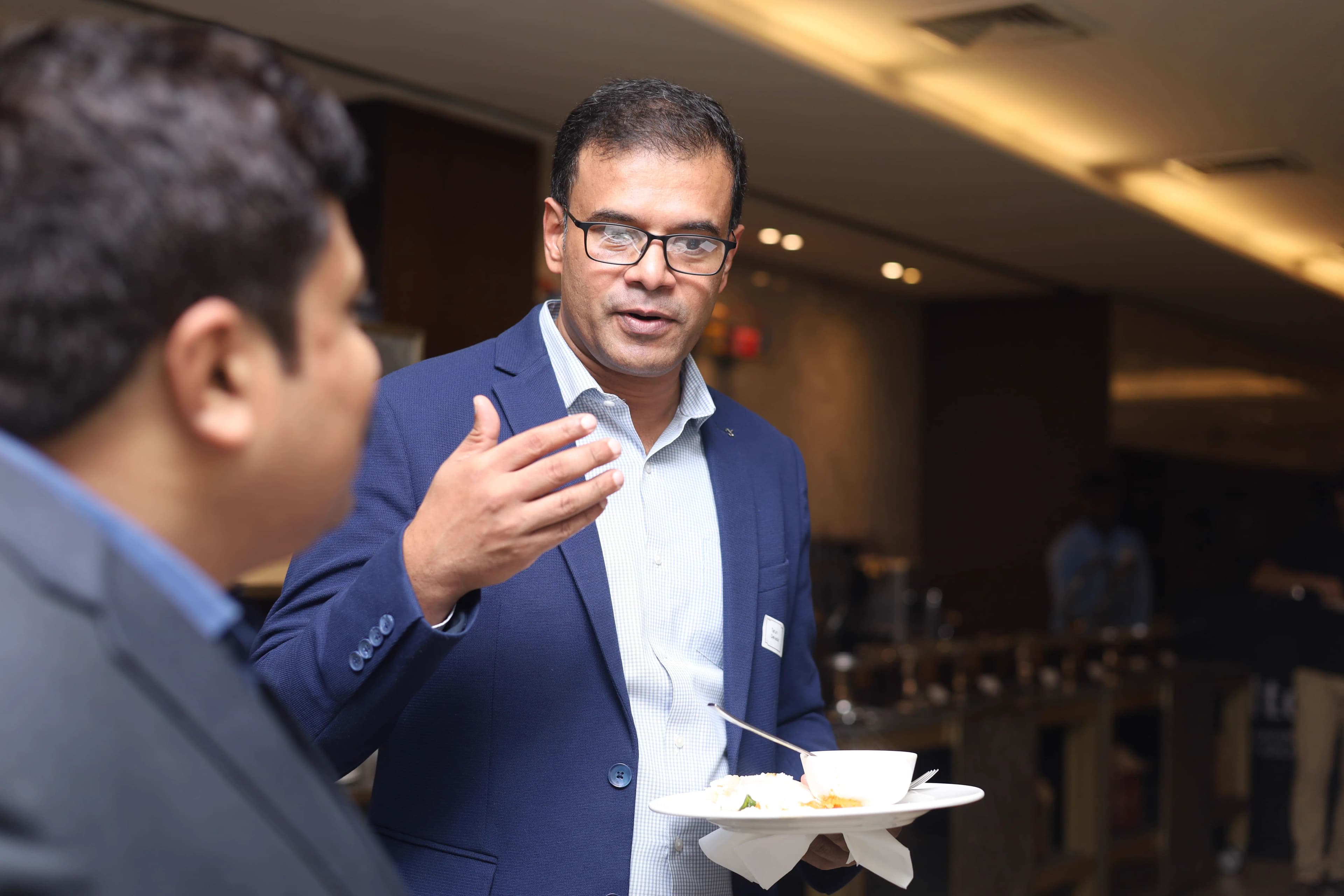

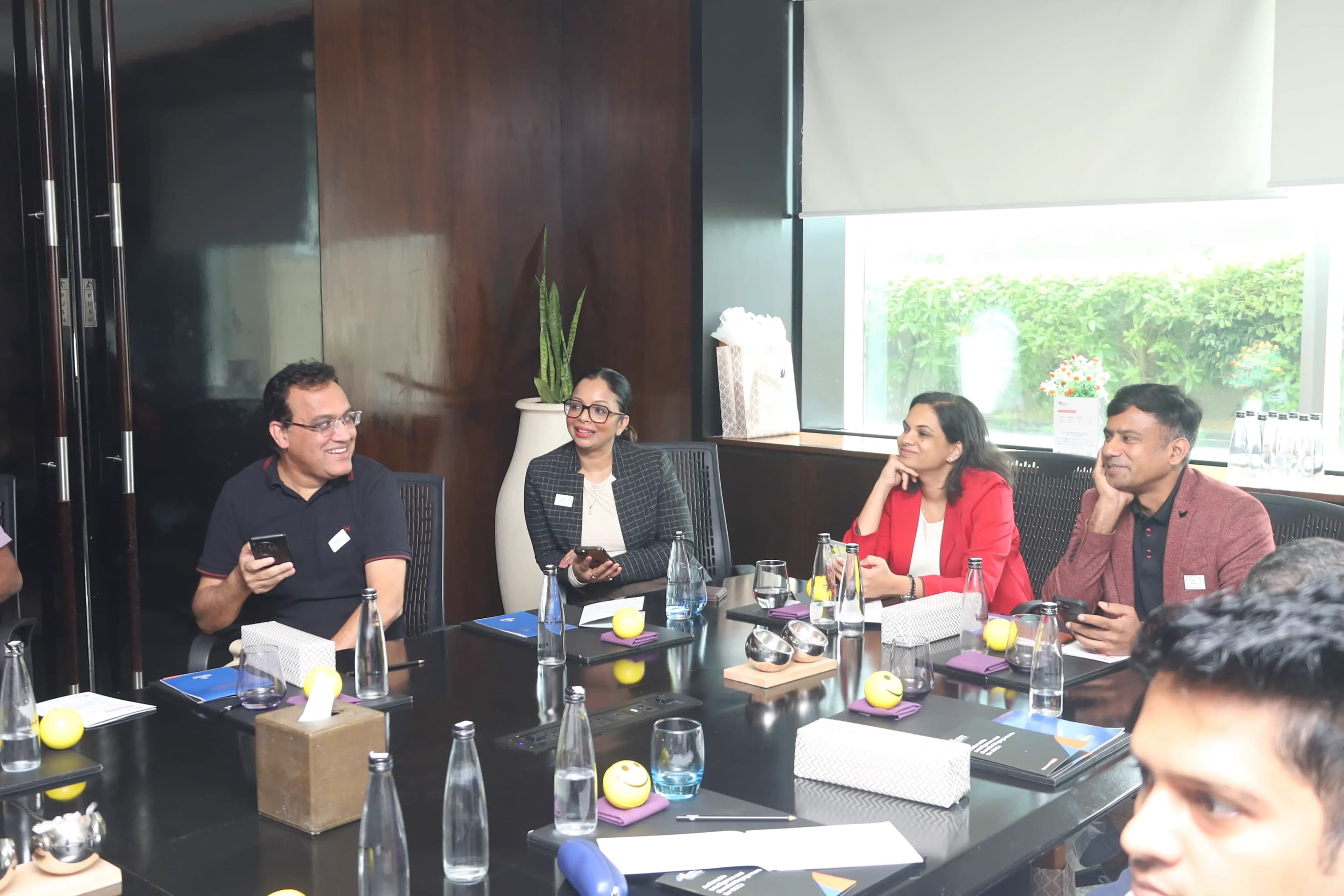
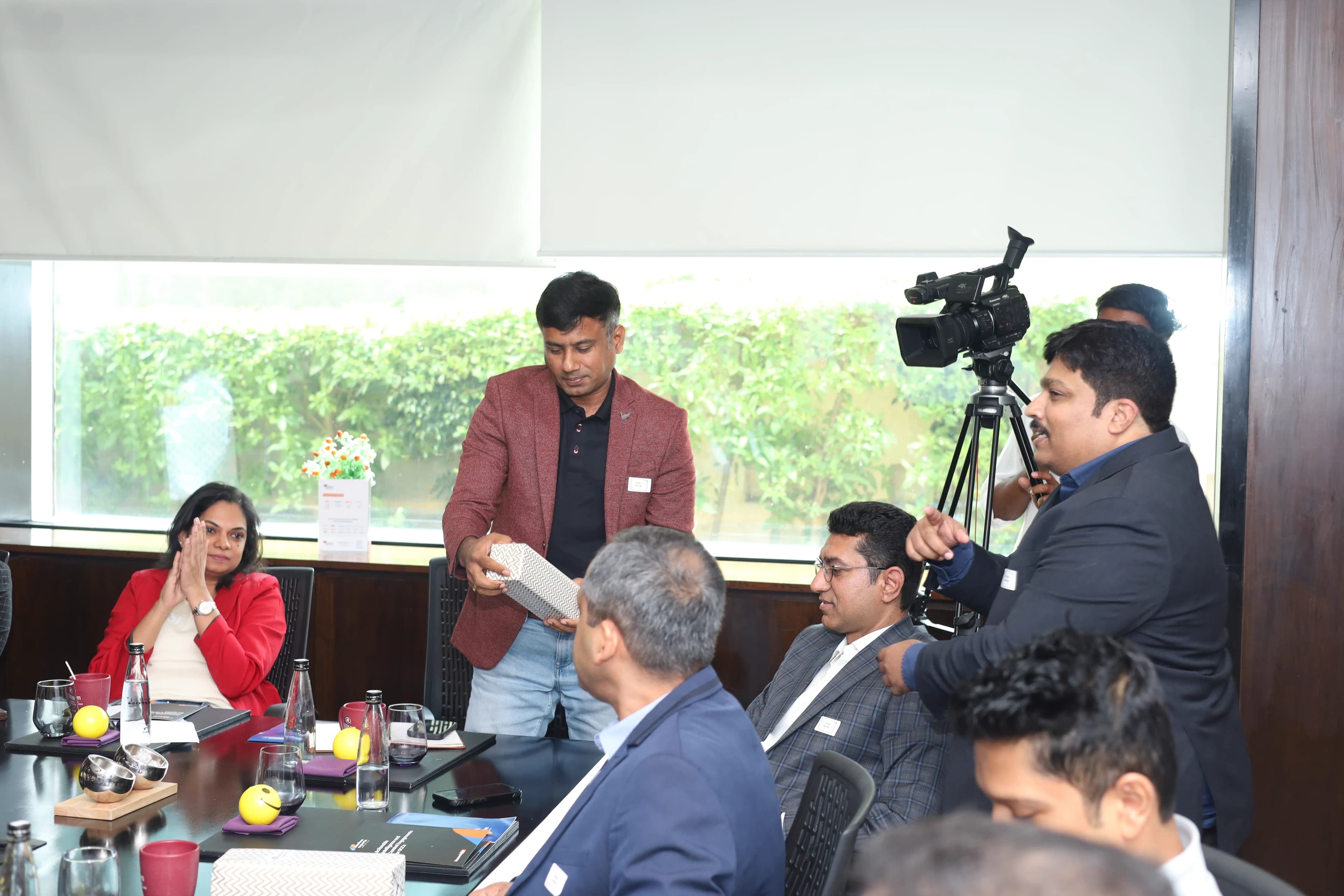

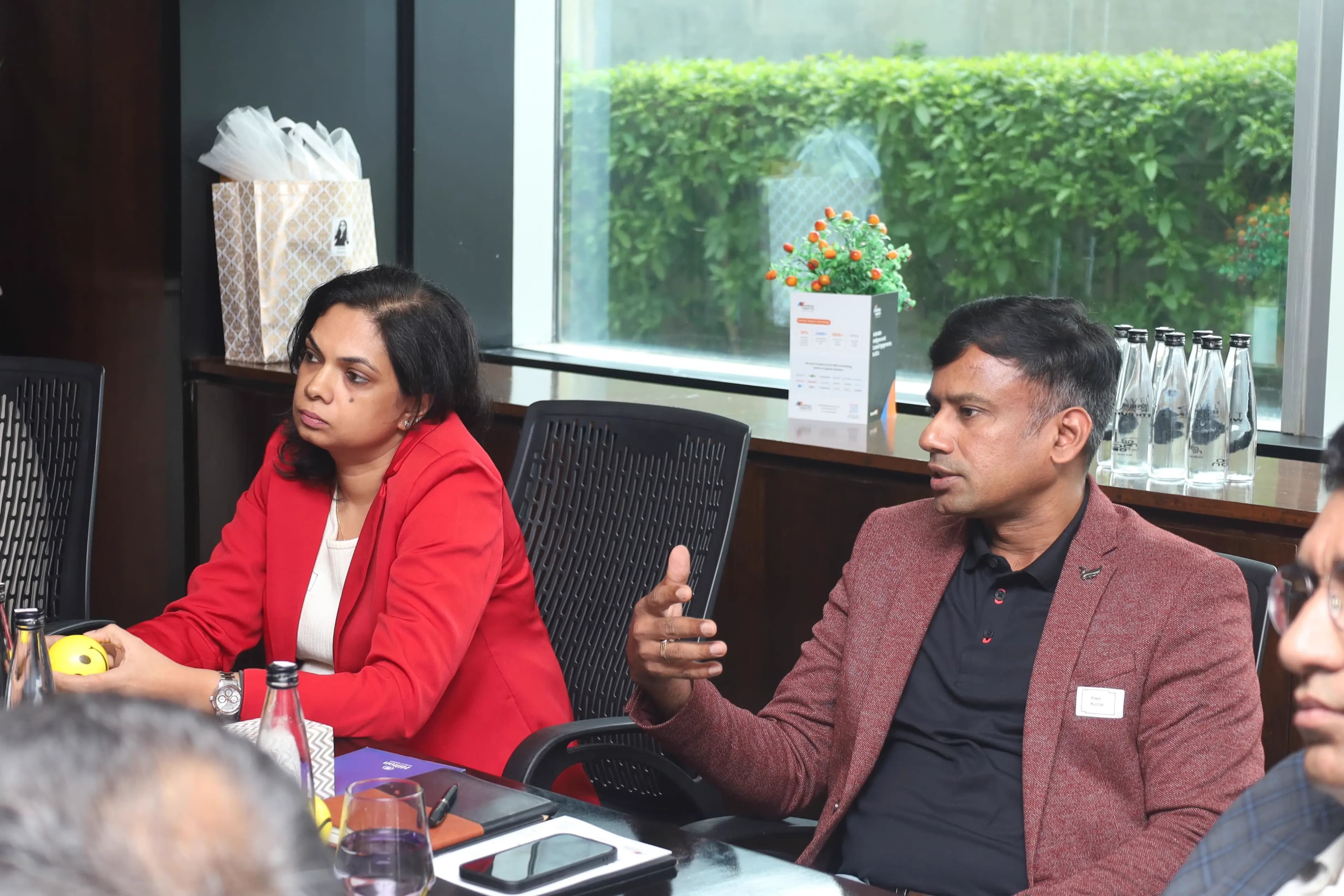
Global capability centres are in India because capability is higher.
The Bengaluru roundtable made one point clear: the outsourcing era is ending. As GCCs take on strategic mandates and own budgets, India is positioned to be the primary strategy hub for global enterprises. The call to action is simple: market your wins internally, elevate strategic roles in India, and treat capability plus scale as the advantage to defend.